The Story
🐟 Lemon Tetra Care Sheet
🔹 Overview
| Category | Details |
|---|---|
| Scientific Name | Hyphessobrycon pulchripinnis |
| Common Name | Lemon Tetra |
| Origin | South America (Brazil – Rio Tapajós) |
| Adult Size | 3–4 cm (1.2–1.6 in) |
| Lifespan | 3–5 years |
| Temperament | Peaceful, schooling |
| Tank Level | Mid-level |
🔹 Tank Setup
| Parameter | Ideal Range |
|---|---|
| Tank Size | 60+ liters (15+ gallons) for a small school |
| Temperature | 23–28 °C (73–82 °F) |
| pH | 6.0–7.5 |
| Hardness | Soft to moderately hard (2–12 dGH) |
| Substrate | Sand or fine gravel |
| Decor | Plants, driftwood, open swimming areas |
| Lighting | Moderate |
| Filtration | Gentle to moderate; well-oxygenated water |
Tips:
-
Keep in schools of 6 or more to promote natural behavior and reduce stress.
-
Provide plenty of plants for hiding and open space for swimming.
-
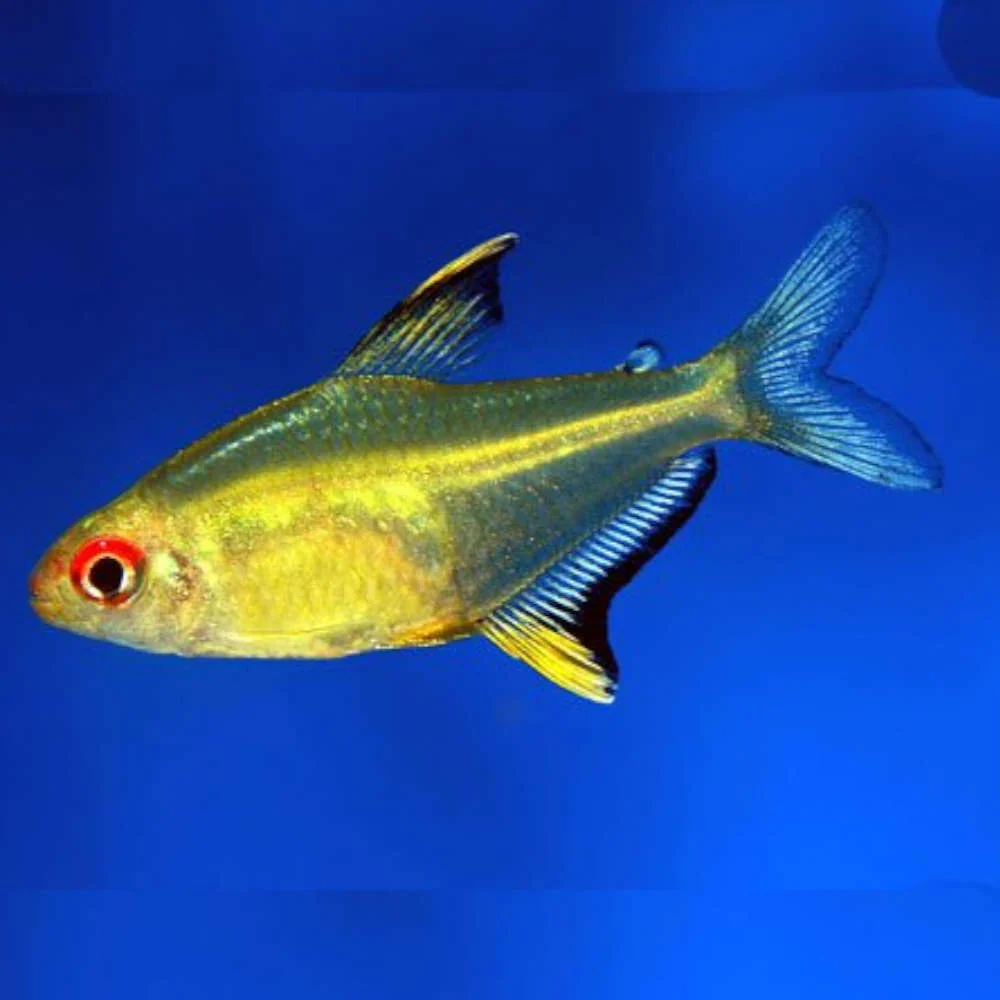
Stable water parameters help maintain their bright yellow coloration.
🔹 Diet
-
Type: Omnivorous
-
Best Foods: High-quality flakes, micro-pellets, frozen/live foods (daphnia, brine shrimp, bloodworms).
-
Feeding Frequency: 1–2 times daily in small portions.
🔹 Behavior & Compatibility
-
Peaceful schooling fish; excellent for community tanks.
-
Mid-level swimmers; males may display slightly brighter coloration.
-
Compatible with other small, non-aggressive fish.
🧭 Tank Mate Guide
✅ Compatible Species
-
Tetras (neon, ember, red-eye)
-
Rasboras (chili, harlequin)
-
Pygmy Corydoras
-
Small rainbowfish
⚠️ Avoid or Use Caution With
-
Aggressive or large fish
-
Fin-nippers
-
Very slow-moving or delicate species
🐣 Breeding Info
-
Spawning Method: Egg scatterers; fine-leaved plants or spawning mops recommended.
-
Parental Care: None; adults may eat eggs.
-
Fry Care: Feed infusoria or microworms first, then baby brine shrimp.
🌿 Fun Facts
-
Named for its bright lemon-yellow body.
-
Hardy, peaceful, and ideal for small to medium community tanks.
-
Best displayed in schools to show off natural swimming behavior and coloration.

Details & Craftsmanship
Every detail has been carefully considered to bring you the perfect product.

Details & Craftsmanship
Every detail has been carefully considered to bring you the perfect product.
Description
🐟 Lemon Tetra Care Sheet
🔹 Overview
| Category | Details |
|---|---|
| Scientific Name | Hyphessobrycon pulchripinnis |
| Common Name | Lemon Tetra |
| Origin | South America (Brazil – Rio Tapajós) |
| Adult Size | 3–4 cm (1.2–1.6 in) |
| Lifespan | 3–5 years |
| Temperament | Peaceful, schooling |
| Tank Level | Mid-level |
🔹 Tank Setup
| Parameter | Ideal Range |
|---|---|
| Tank Size | 60+ liters (15+ gallons) for a small school |
| Temperature | 23–28 °C (73–82 °F) |
| pH | 6.0–7.5 |
| Hardness | Soft to moderately hard (2–12 dGH) |
| Substrate | Sand or fine gravel |
| Decor | Plants, driftwood, open swimming areas |
| Lighting | Moderate |
| Filtration | Gentle to moderate; well-oxygenated water |
Tips:
-
Keep in schools of 6 or more to promote natural behavior and reduce stress.
-
Provide plenty of plants for hiding and open space for swimming.
-
Stable water parameters help maintain their bright yellow coloration.
🔹 Diet
-
Type: Omnivorous
-
Best Foods: High-quality flakes, micro-pellets, frozen/live foods (daphnia, brine shrimp, bloodworms).
-
Feeding Frequency: 1–2 times daily in small portions.
🔹 Behavior & Compatibility
-
Peaceful schooling fish; excellent for community tanks.
-
Mid-level swimmers; males may display slightly brighter coloration.
-
Compatible with other small, non-aggressive fish.
🧭 Tank Mate Guide
✅ Compatible Species
-
Tetras (neon, ember, red-eye)
-
Rasboras (chili, harlequin)
-
Pygmy Corydoras
-
Small rainbowfish
⚠️ Avoid or Use Caution With
-
Aggressive or large fish
-
Fin-nippers
-
Very slow-moving or delicate species
🐣 Breeding Info
-
Spawning Method: Egg scatterers; fine-leaved plants or spawning mops recommended.
-
Parental Care: None; adults may eat eggs.
-
Fry Care: Feed infusoria or microworms first, then baby brine shrimp.
🌿 Fun Facts
-
Named for its bright lemon-yellow body.
-
Hardy, peaceful, and ideal for small to medium community tanks.
-
Best displayed in schools to show off natural swimming behavior and coloration.